Article
Beyond Fitness Tracking: Escaping Wearable Anxiety to Reclaim Joyful Movement
Introduction
What was once reserved for elite sports science laboratories, including precise sleep scores, continuous heart monitors, and exact calorie counting, has migrated directly onto our social feeds.
Everyday hobbyists are now inundated with content instructing them to micromanage every minute of rest and every bite of food. Social media convinces us that unless a casual run stays within a strict heart rate zone, or a night of rest generates a pristine sleep score, the effort is somehow wasted.
This hyper-optimization transforms basic human movement into a high-stakes data science project, demanding that amateur athletes manage their bodies like finely tuned corporate machines.
Everyday hobbyists are now inundated with content instructing them to micromanage every minute of rest and every bite of food. Social media convinces us that unless a casual run stays within a strict heart rate zone, or a night of rest generates a pristine sleep score, the effort is somehow wasted.
This hyper-optimization transforms basic human movement into a high-stakes data science project, demanding that amateur athletes manage their bodies like finely tuned corporate machines.
To be clear, continuous tracking is not inherently harmful for everyone. For many casual athletes, logging workouts, monitoring calorie intake, or keeping an eye on heart rate zones offers helpful structure, genuine motivation, and clear health insights. Mental health professionals note that cases of metric-driven anxiety are rising sharply.
For an increasing number of everyday hobbyists, wearable technology gradually shifts from a supportive tool into an unrelenting supervisor.
Obsessing over calorie counting apps, wearable heart monitors, and nightly recovery algorithms creates a persistent state of hyper-vigilance. Waking up to a poor sleep score induces dread before the day even begins, convincing people they are exhausted before their feet even touch the floor.
Missing a daily target calorie burn or spilling out of a target heart rate zone feels less like a simple data point and more like a personal failure.
Social media platforms compound this internal tension by turning personal wellness into a public scoreboard. Sharing daily stats on platforms like Strava or Instagram subjects non-professional fitness routines to public audit and algorithmic comparison.
When workouts are performed primarily for the caption or the graph, the intrinsic pleasure of movement is replaced by the relentless pressure to maintain an optimized image for an online audience.
Ultimately, this continuous over-monitoring leads to a profound alienation. Instead of listening to internal bodily cues like genuine energy, natural hunger, or spontaneous playfulness, everyday fitness enthusiasts end up completely disconnected from their physical intuition.
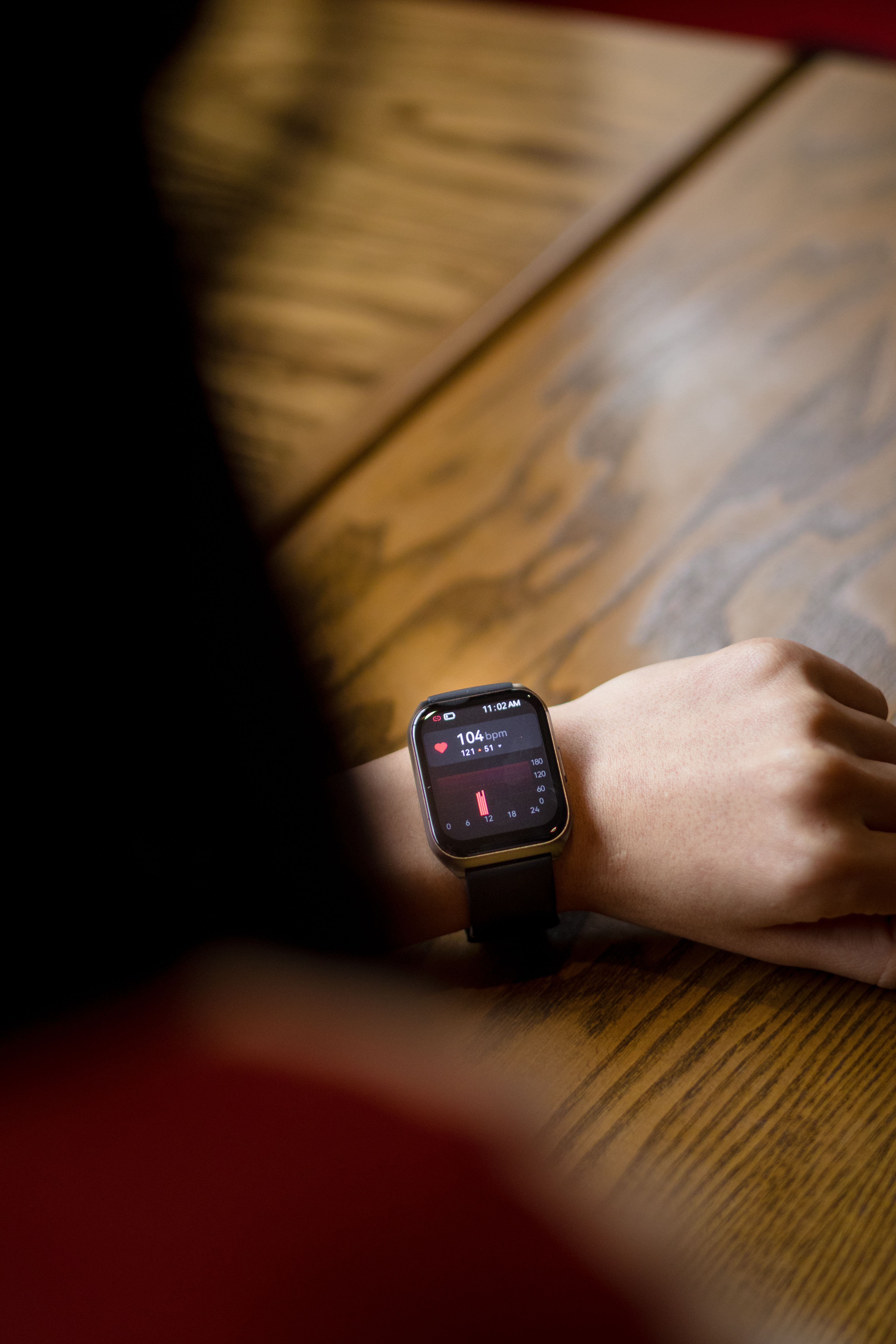
Human experience then is flattened into quantifiable variables, continually outsourcing a person's physical reality to the cold feedback of a smartwatch screen.
For an increasing number of everyday hobbyists, wearable technology gradually shifts from a supportive tool into an unrelenting supervisor.
Obsessing over calorie counting apps, wearable heart monitors, and nightly recovery algorithms creates a persistent state of hyper-vigilance. Waking up to a poor sleep score induces dread before the day even begins, convincing people they are exhausted before their feet even touch the floor.
Missing a daily target calorie burn or spilling out of a target heart rate zone feels less like a simple data point and more like a personal failure.
Social media platforms compound this internal tension by turning personal wellness into a public scoreboard. Sharing daily stats on platforms like Strava or Instagram subjects non-professional fitness routines to public audit and algorithmic comparison.
When workouts are performed primarily for the caption or the graph, the intrinsic pleasure of movement is replaced by the relentless pressure to maintain an optimized image for an online audience.
Ultimately, this continuous over-monitoring leads to a profound alienation. Instead of listening to internal bodily cues like genuine energy, natural hunger, or spontaneous playfulness, everyday fitness enthusiasts end up completely disconnected from their physical intuition.
Human experience then is flattened into quantifiable variables, continually outsourcing a person's physical reality to the cold feedback of a smartwatch screen.
Conclusion
For those who have fallen into metric-induced anxiety, therapy offers a vital space to uncouple physical movement from numerical validation. Therapeutic approaches help individuals identify the underlying fear of falling short, teaching them to re-sensitize themselves to internal bodily signals instead of external digital outputs.
In a clinical or counseling setting, fitness can be reframed from an audit of vital functions back into a practice of self-care, play, and emotional release. By working to dismantle the rigid rulebooks built by health apps and algorithmic comparison, therapy allows people to step away from constant tracking, trust their physical intuition again, and rediscover the simple joy of moving for its own sake.
In a clinical or counseling setting, fitness can be reframed from an audit of vital functions back into a practice of self-care, play, and emotional release. By working to dismantle the rigid rulebooks built by health apps and algorithmic comparison, therapy allows people to step away from constant tracking, trust their physical intuition again, and rediscover the simple joy of moving for its own sake.